
A Quick Start Guide to Homes With Mother In Law Suites

Why a House With a Mother-in-Law Suite Is One of the Smartest Home Investments You Can Make
A house with a mother in law suite gives your family more flexibility, more privacy, and more long-term value — all under one roof.
Here's what you need to know at a glance:
| Feature | What to Expect |
|---|---|
| What it is | A self-contained living space on your property with a bedroom, bathroom, and often a kitchen |
| Common types | Attached addition, detached backyard unit, garage or basement conversion |
| Typical build cost | $40,000–$225,000 depending on type and size |
| Home value boost | Up to 35% higher pricing vs. homes without one |
| Main uses | Housing aging parents, rental income, guest space, home office |
| Key requirement | Local zoning approval and building permits required |
Multi-generational living is on the rise. More families are choosing to keep parents and in-laws close — not in the same bedroom, but on the same property. An in-law suite (also called a granny flat or accessory dwelling unit, or ADU) makes that possible without sacrificing anyone's independence.
And the financial case is strong. Homes with ADUs are priced about 35% higher on average than comparable homes without one in major U.S. cities. If the suite is legally rentable, the appraised value can climb another 7–10% above the most recent sale price.
For Long Island homeowners especially, where space is tight and housing costs are high, adding an in-law suite is one of the most practical ways to expand your home's usefulness — and its market appeal.
I'm Jacolyn Gleason, a Senior Vice President at 5W Public Relations with deep experience researching and communicating complex topics across health, wellness, and consumer industries — including the growing trend of houses with mother-in-law suites as a multi-generational living solution. In the sections below, we'll walk you through everything you need to know to plan, build, and maximize your investment.

What is a House with a Mother in Law Suite?
At its core, a house with a mother in law suite features an accessory dwelling unit (ADU) or secondary suite designed for private living. Unlike a standard home addition—such as a new master bedroom or a simple family room extension—this space functions as an independent space.
To be considered a true mother-in-law suite, the space must go beyond just a bedroom and a bathroom. It should feel like a self-contained home within a home. This means having its own private entrance, a dedicated living area, and ideally, some form of kitchen facilities (even if it is a compact kitchenette).
When you explore What is a Mother-in-Law Suite?, you will find that these structures solve a classic modern dilemma: how to keep family members close enough to support them, while preserving the personal space and daily boundaries that everyone needs to stay happy. Historically, multi-generational living was the norm, but today's families prefer a setup that avoids "too many cooks in one kitchen." A dedicated suite strikes that perfect balance.
Types of Mother-in-Law Suites: Attached, Detached, and Conversions
When planning your layout, you have three primary construction paths. Each option has unique structural demands, privacy levels, and price points.

Comparing Your Suite Options
| Suite Type | Privacy Level | Relative Cost | Best For |
|---|---|---|---|
| Attached Suite | Moderate | Medium to High | Homeowners with yard space for an addition who want direct, indoor access to their relatives. |
| Detached Unit | Maximum | High | Properties with large lots where complete independence and potential rental income are priorities. |
| Garage/Basement Conversion | Moderate to High | Low to Medium | Budget-conscious projects utilizing existing underused square footage. |
If you are looking for design inspiration, checking out Detached Mother-in-Law Suite Floor Plans can show you how to maximize a footprint. For instance, some premium designs, like this Exclusive Brick-clad House Plan with Mother-in-Law Suite, use a porte-cochere or a covered breezeway to connect the main house to the suite. This creates a beautiful architectural feature while ensuring both structures maintain their own quiet zones.
Designing a Detached House with a Mother in Law Suite
Building a detached backyard cottage (often called a detached ADU) offers the highest level of privacy. It is essentially a mini-home built on your existing lot.
One modern trend gaining traction is the use of prefab kits. These prefabricated panel systems or modular units are constructed off-site and assembled on your property. Because they are highly insulated and built in controlled environments, they can save up to 60% on heating and cooling costs compared to traditional stick-built structures. Once the panels arrive on your Long Island property, the shell of the kit can often be under roof in as little as 1 to 3 days, significantly cutting down on on-site construction noise.
However, detached builds require careful planning regarding zoning setbacks. Most local municipalities in Nassau and Suffolk counties have strict rules about how close a detached structure can sit to your property lines. You can browse layouts like this Gorgeous Craftsman House Plan with Mother-In-Law Suite to see how detached or semi-detached wings can be positioned harmoniously on a standard lot.
Converting Existing Space into a House with a Mother in Law Suite
If you do not want to build a brand-new footprint from the ground up, converting existing space is a highly efficient alternative. A garage conversion or a basement apartment utilizes your home's current envelope, which can save you tens of thousands of dollars in foundation and framing costs.
The biggest challenge with conversions is utility integration. Your existing heating, ventilation, and air conditioning (HVAC) systems, plumbing lines, and electrical panels must be analyzed to see if they can handle the load of an entire secondary household. For example, an older electrical panel in a West Babylon or Massapequa home might need a service upgrade to support a new electric stove, refrigerator, and bathroom heater in a converted suite.
When you are Adding a Mother-in-Law Suite to Your House, working with an experienced design-build team ensures these mechanical details are sorted out before construction begins. If you have a basement with decent ceiling height, you can look at ideas like this Elegant Modern Transitional House Plan, which demonstrates how a lower-level walkout can be transformed into a bright, welcoming garden-level suite with its own private entrance.
Cost, Financing, and ROI of In-Law Suites
Let's talk numbers. The cost to build a house with a mother in law suite varies depending on the route you choose:
- Garage Conversions: Typically the most affordable option, ranging from $20,000 to $45,000 for basic setups, though high-end conversions with custom plumbing and luxury finishes in Nassau County can range from $107,000 to $140,000.
- Upfront Detached/Attached Build Costs: A new, modest in-law cottage or addition generally starts around $40,000 to $125,000 for simpler structures.
- Full-Scale Custom Additions: Comprehensive, fully-equipped attached additions or large detached ADUs typically cost between $60,000 and $225,000, with a broad market average hovering around $180,000.
Despite the upfront investment, the return on investment (ROI) is substantial. According to national real estate data, homes with an ADU are priced about 35% higher on average than houses without one in competitive metropolitan areas. Furthermore, the appraised value of homes with mother-in-law suites that are legally rentable can be 7.2% to 9.8% higher than their most recent sales prices.
This financial upside is particularly evident when looking at regional real estate trends. If you browse the Zillow New York In-Law Suite Listings, you will see that properties on Long Island featuring legal multi-generational setups command premium prices and attract motivated buyers quickly. To understand how these numbers translate to your long-term wealth, check out our comprehensive Homes with Mother-in-Law Suites Guide 2026.
Financing Options for Your Build
If you don't want to pay cash upfront, there are several reliable ways to fund your project:
- Home Equity Line of Credit (HELOC): Allows you to borrow against your home’s accumulated equity with flexible, variable-rate terms.
- Cash-Out Refinance: Replaces your existing mortgage with a new, larger loan, allowing you to take the difference in cash to fund construction.
- Renovation Loans (FHA 203k or Fannie Mae Homestyle): These loans allow you to borrow based on the completed appraised value of your home, which is perfect if you are adding major square footage.
- Construction Loans: Best for large, detached backyard cottage builds that require a structured draw schedule for the builder.
Zoning, Permits, and HOA Rules for ADUs
Before you fall in love with a specific floor plan, you must navigate the local regulatory landscape. Long Island is famous for its highly localized, town-by-town zoning laws. What is perfectly legal in Massapequa (Town of Oyster Bay) might face different restrictions in Huntington or Westhampton.
When dealing with Residential Construction Long Island projects, you must confirm:
- Zoning Classifications: Does your specific zoning district allow accessory dwelling units? Many towns have recently updated their codes to allow ADUs to help address housing shortages, but restrictions on owner-occupancy (requiring the homeowner to live in one of the units) are common.
- Permitting Requirements: You will need structural, electrical, and plumbing permits. If your suite exceeds 750 square feet, some municipalities may charge development or impact fees.
- HOA Guidelines: If your home is part of a homeowners association, their private covenants may ban detached structures, restrict exterior paint colors, or forbid separate parking pads.
If you look at the market demand on sites like Redfin Huntington NY Homes with In-Law Suites, you will see that properties with fully permitted, legal suites are highly sought after because navigating these approvals retroactively can be a massive headache. Always secure your permits before the first shovel hits the dirt.
Key Design Features for Comfort and Accessibility
If you are building a suite for an aging parent, designing with the future in mind is essential. This is known as "universal design" or "aging-in-place" design. It ensures that the space remains safe and comfortable even if your loved one's mobility changes over time.
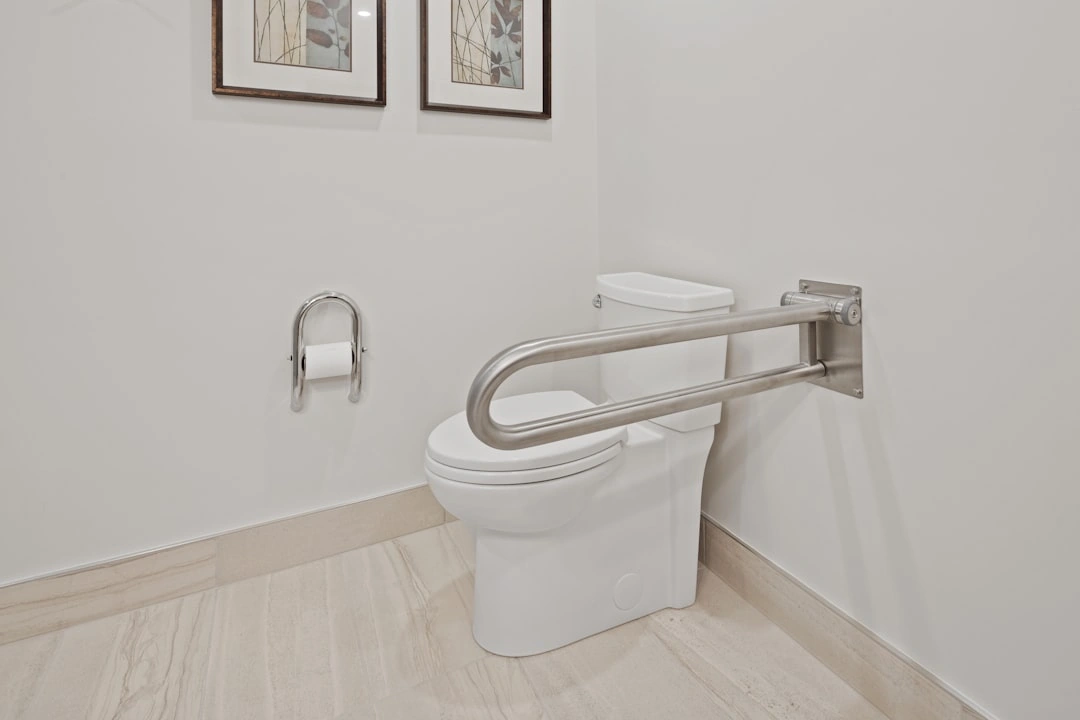
When planning your In-Law Suite Addition, consider incorporating these essential features:
- Zero-Step Entrances: Avoid stairs at the suite’s private entrance. A gently sloped walkway is much safer than steps.
- Wide Doorways and Hallways: Ensure all doors are at least 32 to 36 inches wide to easily accommodate walkers or wheelchairs.
- Accessible Bathrooms: Install a curbless, roll-in shower, secure grab bars, slip-resistant flooring, and a comfort-height toilet.
- Smart Lighting: Incorporate toe-kick lighting in the kitchen and bathrooms. This low-level, motion-activated lighting provides safety during late-night visits without blinding the occupant.
- Simple Kitchenette Layouts: Keep countertops at varying heights and use pull-down shelving to make daily tasks easier.
By focusing on these thoughtful, custom details, you create a space that offers true independence while keeping your family safely connected.
Frequently Asked Questions about Mother-in-Law Suites
Can I rent out my mother-in-law suite on Airbnb?
It depends entirely on your local town ordinances. Many municipalities on Long Island have strict bans or tight restrictions on short-term rentals (less than 30 days) to protect local neighborhood character. However, long-term rentals are often permitted if the suite is legally classified as a rental unit. That renting out your space will require you to update your homeowner's insurance policy to landlord insurance to ensure you are fully protected.
How long does it take to build an in-law suite?
A typical construction timeline ranges from 3 to 6 months. A garage conversion is usually the fastest route, taking about 6 to 12 weeks. A custom, detached backyard cottage or a major home addition can take 4 to 9 months. The biggest variable is almost always the local permitting process, which can sometimes take several weeks (or even months) before construction is allowed to begin.
Does adding an in-law suite increase property taxes?
Yes, any project that adds livable square footage or significantly improves your home's utility will trigger a property tax assessment update. Because your home's overall valuation increases, your local property taxes will likely rise. However, some towns offer tax exemptions for senior family members living on-site, so it is always worth checking with your local tax assessor's office.
Conclusion
Investing in a house with a mother in law suite is a beautiful way to protect your family's future, keep your loved ones close, and build long-term real estate equity. Whether you are looking to build a detached backyard cottage in Westhampton, convert a garage in West Babylon, or design a custom dormer addition in Massapequa, success comes down to planning and partnership.
At Absolute Builders NY Inc, we specialize in high-quality home additions and custom construction across Long Island. We bring precision craftsmanship and a dedicated partnership to every project, ensuring your architectural vision is realized seamlessly and legally.
Ready to explore what is possible for your property? Contact our team today to learn more about our dedicated Mother-in-Law Suite Service and let's build a space your family will cherish for generations.