
The Ultimate Guide to Detached Mother-In-Law House Plans

Why More Long Island Homeowners Are Choosing Detached Mother-In-Law Suite Floor Plans
Detached mother-in-law suite floor plans are one of the most practical ways to add independent living space to your property — whether for aging parents, adult children, guests, or rental income.
Here's a quick overview of what to know:
| Feature | Detail |
|---|---|
| Typical size | 350–1,000+ sq ft |
| Common layouts | Studio, 1-bedroom cottage, accessible single-level, carriage house |
| Best uses | Aging parents, adult children, rental income, guest house |
| Key requirements | Local zoning approval, building permits, separate utilities |
| Average lot need | Varies by municipality; check rear yard setbacks first |
Multi-generational living has surged across the U.S. through 2025, driven by rising housing costs and an aging population. A detached suite gives family members their own front door, their own space, and real independence — while keeping everyone close enough to matter.
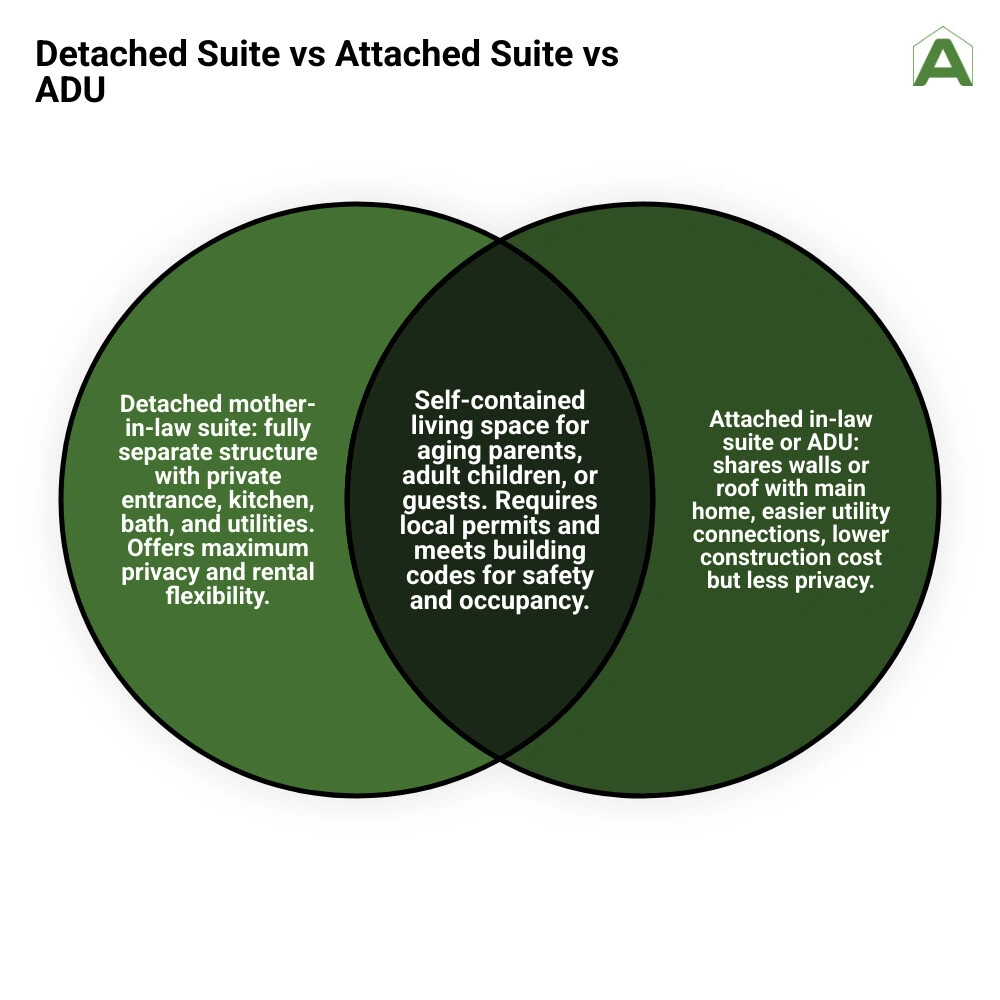
Unlike an attached in-law suite, a detached structure sits completely separate from your main home. That means more privacy, more design freedom, and in many cases, more flexibility to use the space as a rental unit down the road.
For Long Island homeowners especially, the challenge isn't wanting this kind of space. It's knowing which floor plan actually fits your lot, your family, and your local building rules.
I'm Jacolyn Gleason, a communications professional with extensive experience helping families and builders navigate decisions around home design and multi-generational living — including the practical, real-world factors that shape the best detached mother-in-law suite floor plans. In the guide below, we'll walk through every layout option, design feature, and planning step you need to get this right.
What a Detached Mother-In-Law Suite Really Is
When we talk about a detached mother-in-law suite, we are referring to a self-contained living space that is physically separate from the primary residence. You might hear these called "granny pods," backyard cottages, or tiny homes. In architecture and local government, they are officially known as Accessory Dwelling Units (ADUs).
These structures are designed for full-time living. This isn't just a shed with a bed; it's a small home that includes its own entrance, kitchen (or kitchenette), bathroom, and sleeping area. They provide a unique balance: the occupant is close enough for a quick check-in but far enough away to have their own morning coffee in peace.
Detached mother in law suite floor plans vs attached in-law suites
The biggest difference here is the "shared wall." An attached suite is often a converted garage or a new wing added to the side of your house, connected by an interior door. While attached suites offer easier caregiving access (you don't have to put on a coat to check on Mom), they come with less acoustic privacy.
Detached mother-in-law suite floor plans eliminate the noise of footsteps overhead or TVs through the wall. They offer true "connection without intrusion."
Detached mother in law suite floor plans vs ADUs and guest houses
Technically, a detached mother-in-law suite is an ADU. However, the term "guest house" often implies a space for short-term stays, whereas a mother-in-law suite is built for long-term comfort. To be a legal ADU in many parts of Long Island, the plan must include permanent provisions for living, sleeping, eating, cooking, and sanitation.
Who these suites work best for
These plans are incredibly versatile. They are ideal for:
- Aging Parents: Who want to downsize but stay near family.
- Adult Children: Often called "boomerang kids," who need an affordable place to live while saving for a home.
- Caregivers: Providing a private space for a live-in nanny or nurse.
- Guests: Offering a luxurious, private experience for visitors.
If you are curious about the broader possibilities of these additions, you can find more info about mother-in-law suites on our service page.
7 Detached Mother-In-Law Suite Floor Plan Layouts That Work Best

Choosing the right layout depends on your lot size and who will be living there. Here are seven of the most effective detached mother-in-law suite floor plans we see in the West Babylon and Huntington areas.
1. Studio-style detached mother in law suite floor plans
Perfect for smaller lots or single occupants, these plans range from 350 to 500 square feet. They often utilize an open-concept living and sleeping area with a Murphy bed to save space during the day. An efficiency kitchen and a full bath round out the necessities.
2. One-bedroom cottage plans
This is the "classic" granny pod. Usually between 500 and 800 square feet, these plans feature a separate bedroom, a galley kitchen, and a dedicated living room. This layout feels more like a traditional home and is the gold standard for aging parents who want a distinct bedroom.
3. Accessible single-level layouts
For those planning for "aging in place," these plans are essential. They prioritize a zero-step entry, wide doorways (at least 36 inches), and a curbless shower. The entire layout is designed with a turning radius suitable for a walker or wheelchair, ensuring the occupant never has to move again due to mobility issues.
4. Two-room plus flex-space plans
If you have the room, adding a "flex" space can be a lifesaver. This small extra room can serve as a home office, a hobby room, or even a space for a visiting caregiver to stay overnight. It provides long-term flexibility as needs change over the next decade.
5. Garage apartment and carriage-house layouts
If you don't want to give up backyard green space, building up is the answer. These plans place the living suite above a new or existing detached garage. While they provide excellent privacy for an adult child or guest, they do require stair access, which may not be ideal for elderly family members. You can see an example of this in this Exclusive 4-Bed House Plan with Detached In-Law Suite.
6. Detached farmhouse or cottage-style suites
Style matters! Many homeowners choose plans that feature a front porch and vaulted ceilings to make a small footprint feel much larger. Matching the "farmhouse look" or "cottage charm" of the main house ensures the new structure looks like a planned part of the estate rather than an afterthought.
7. Larger detached suites for long-term rental or dual use
At the 800–1,000 square foot range, these units are essentially small houses. They include full kitchens, laundry closets, and often separate utility meters. These plans offer the highest resale value and the best potential for future rental income. You can explore various options in this collection of House Plans With In-Law Suite | Breezeways, Floor Plans.
Must-Have Design Features Before You Choose a Plan
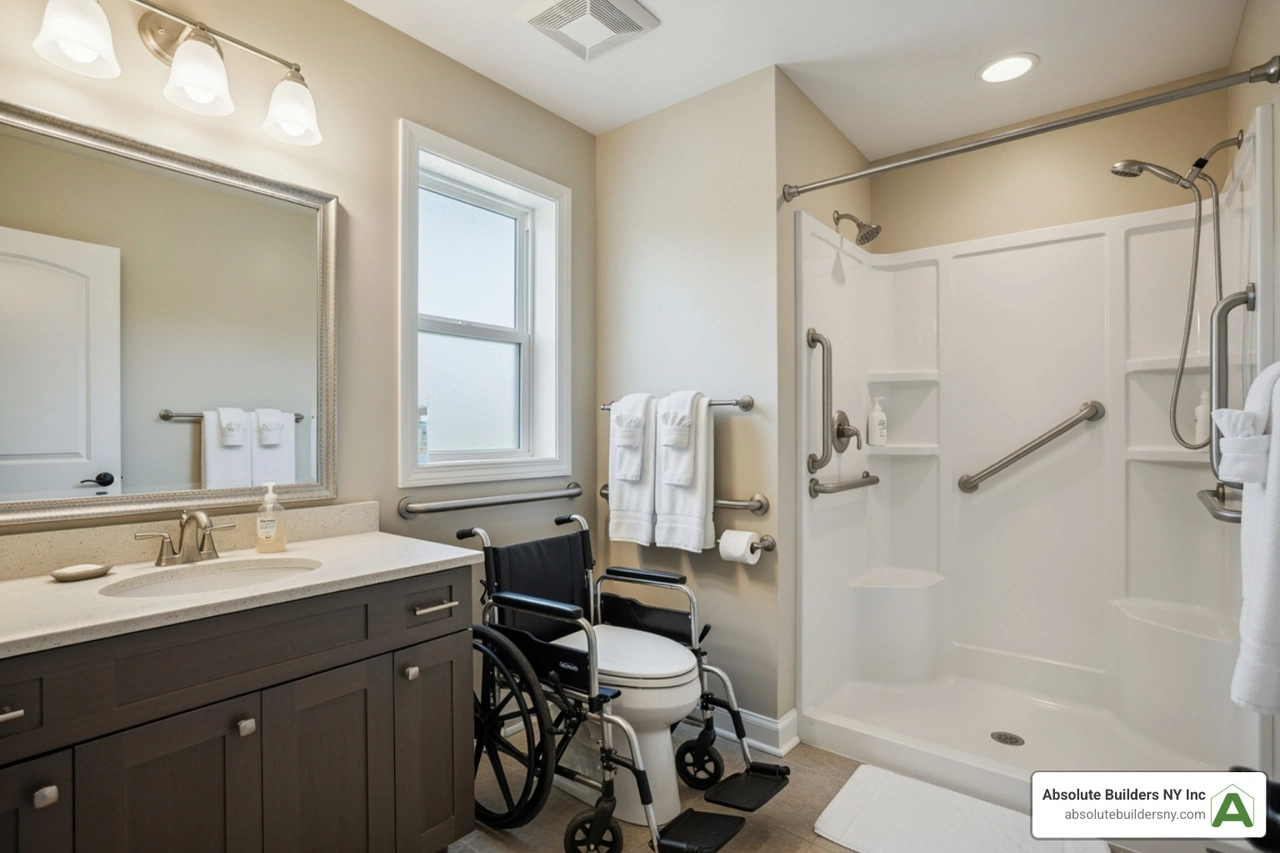
A good floor plan is more than just walls and doors; it’s about the details that make life easier.
Privacy, noise control, and outdoor separation
Even though the suite is detached, you still want to consider sightlines. Position windows so they don't look directly into the main house's kitchen. Using landscaping buffers or a private patio can create a sense of "territory" for the occupant. Additionally, consider the placement of HVAC units; you don't want a noisy condenser right outside the bedroom window.
Accessibility and aging-in-place essentials
We always recommend including ADA-compliant features from the start. It is much cheaper to install grab bar blocking and lever-style door handles during construction than to retrofit them later. Non-slip flooring and no-step thresholds are small choices that prevent major accidents.
Kitchens, baths, laundry, and storage essentials
Don't skimp on storage! A common complaint in small detached mother-in-law suite floor plans is a lack of closet space. We recommend including a small pantry and a laundry closet for a stacked washer/dryer. This allows the occupant to be truly self-sufficient.
Separate utilities and climate control
For maximum comfort and future rental potential, we suggest independent HVAC systems, such as mini-splits. These allow the occupant to control their own temperature without affecting the main house. Depending on local rules in Huntington or West Babylon, you may also want to consider separate electrical subpanels. For a deeper dive into the logistics, check out our more info about in-law suite additions.
Zoning, Permits, and Code Rules You Need to Check First
Before you fall in love with a specific plan, you must understand the rules of the road. Long Island has a patchwork of municipal codes that can vary significantly from one town to the next.
How local zoning affects detached mother in law suite floor plans
Zoning laws dictate where you can place a structure on your lot. Key factors include:
- Setbacks: How many feet the building must be from the property line.
- Lot Coverage: The percentage of your land that can be covered by structures.
- Height Limits: Especially important for garage apartments.
- Owner Occupancy: Some areas require the homeowner to live in one of the two units.
Building code items that change the plan
Every detached mother-in-law suite floor plan must meet the International Residential Code (IRC). This includes specific requirements for "egress" (emergency exits), insulation values, and how the sewer lines tie into your existing system.
Smart planning steps for Long Island and New York homeowners
We always recommend starting with a fresh land survey. This prevents "variance risk" (having to ask the town for a special exception because your building is two feet too close to the fence). Navigating these rules is part of our Home Addition Plans Guide 2026. Understanding the "what and why" is essential, and you can read more in our article: What Is a Mother In Law Suite? The Benefits, Options, and Expectations.
Detached vs Attached vs Garage Conversion: Which Option Adds More Value?
| Feature | Detached Suite | Attached Suite | Garage Conversion |
|---|---|---|---|
| Privacy | High | Medium | Medium |
| Cost | Highest | Moderate | Lowest |
| Rental Potential | High | Low/Medium | Low |
| Construction Time | 4-6 Months | 3-5 Months | 2-3 Months |
Pros and cons of a detached suite
The primary "pro" is independence. You get a custom-built home that doesn't compromise the layout of your current house. The "con" is usually the upfront cost. Because you are building a new foundation and running new utility lines across the yard, it is a larger investment than a simple renovation.
When an attached suite or garage conversion makes more sense
If your primary goal is close-contact caregiving for a parent with significant health needs, an attached suite is often better. It’s also the go-to choice for smaller budgets or properties with very tight lot lines that won't allow for a separate structure.
Financial upside: income, savings, and resale
The financial benefits are significant. Families in multi-generational homes are statistically less likely to live in poverty than those in single-family homes, largely due to shared expenses.
Furthermore, a detached ADU can save a family thousands of dollars per month in assisted living costs. From a resale perspective, these units are highly desirable. You can see how some larger homes integrate these concepts, like this Plan 70812MK: Multi-generational Ranch Home Plan with 1-Bed Apartment Attached. If you're ready to upgrade your property, it's time to make some home addition plans for that ultimate upgrade.
How to Choose a Detached Plan That Still Works 10 Years From Now
A detached suite is a long-term investment. You want a plan that is flexible enough to change as your life does.
Pick a layout that can shift from family suite to rental or guest house
In ten years, your "mother-in-law" suite might become a "college-grad" suite or a "short-term rental" suite. Choosing neutral finishes and ensuring there is a private walkway to the unit will make it much easier to transition to a rental later on.
Match the architecture to your main home
To protect your property value, the ADU should look like it belongs. This means matching the roof pitch, siding material (whether it’s brick, board and batten, or vinyl), and window styles. A cohesive look suggests a high-end estate rather than a crowded lot.
Plan for compliance, resale, and the build process
Always work with permit-ready plans. Modifying a standard plan to fit your specific Long Island lot is often necessary. We recommend looking through a collection of builder house plans with mother-in-law suites to see what styles resonate with you. For more tailored advice, check out our more info about home additions.
Frequently Asked Questions About Detached Mother-In-Law House Plans
How big should a detached mother-in-law suite be?
Most effective plans fall between 500 and 800 square feet. This is enough space for a comfortable bedroom, full bath, and living area without overwhelming a standard backyard.
Can you legally rent out a detached in-law suite?
This depends entirely on your local town or village code. Many Long Island municipalities have updated their laws through 2025 to allow ADU rentals, but some require the owner to live on-site. Always verify with your local building department in West Babylon or Huntington.
Is detached better than attached for aging parents?
If the parent is relatively independent and values their privacy, detached is usually superior. It reduces the "feeling" of being a burden and provides a true sense of home. However, if they require 24/7 monitoring, the proximity of an attached suite might be safer.
Conclusion
Building a detached mother-in-law suite is one of the smartest moves a homeowner can make in 2026. It provides a solution for the housing crisis, offers a safety net for aging family members, and adds undeniable value to your property.
At Absolute Builders NY Inc, we specialize in helping Long Island families turn these architectural visions into reality with precision craftsmanship. Whether you are in West Babylon, Huntington, or anywhere across the island, we are here to help you navigate the process from initial floor plans to the final coat of paint. If you're ready to start your journey, find more info about mother-in-law suite services and let's build something great together.